Addiction’s Hidden Health Toll: Exploring Subtler Physiological Impacts
When most people consider the physical consequences of addiction, immediate and dramatic effects often come to mind. We envision the acute crises, the visible signs of distress, or the obvious organ damage that addiction can inflict. However, this focus often overlooks a more insidious process at play.
Addiction is not merely a behavioral pattern; it initiates a gradual and pervasive internal erosion of the body’s delicate systems. This process subtly alters the physiological landscape over time, impacting fundamental metabolic processes and organ functions. These changes can accumulate long before overt symptoms become apparent.
This discussion will explore the systemic and nuanced ways addiction impacts health, moving beyond immediate crises to reveal its hidden burden. Understanding these deeper physiological effects is crucial for a comprehensive view of addiction’s true cost and the path to recovery. We aim to unpack the various addiction health impacts and the complex physiological effects of addiction that often go unnoticed.

Beyond the Obvious: Systemic Physiological Shifts
Chronic Stress Response and HPA Axis Dysregulation
Persistent substance use places the body under a state of chronic stress. This stress continually activates the hypothalamic-pituitary-adrenal (HPA) axis, which is the central driver of the body’s stress response system. The HPA axis normally helps the body adapt to stressors.
Over time, this constant activation leads to elevated levels of cortisol, often referred to as the ‘stress hormone.’ While cortisol is vital for short-term survival, chronically high levels have widespread systemic implications. These include impacts on blood sugar regulation, blood pressure, and bone density.
Furthermore, dysregulation of the HPA axis compromises immune function and fuels inflammatory processes throughout the body. A perpetually stressed system is less capable of defending itself against pathogens and more prone to chronic disease. This sustained inflammatory state contributes to tissue damage across multiple organ systems.
Neurotransmitter and Neuromodulator Imbalance
Addiction is commonly associated with dopamine pathway dysregulation, impacting the brain’s reward system. However, the effects extend far beyond this single neurotransmitter, influencing a broader network of neurochemicals. Other crucial neurotransmitters and neuromodulators also become imbalanced.
The intricate balance of serotonin, norepinephrine, and GABA systems is significantly disrupted. Serotonin plays a key role in mood and well-being, while norepinephrine influences alertness and arousal. GABA is the brain’s primary inhibitory neurotransmitter, essential for calming neural activity.
These widespread imbalances have far-reaching consequences for mental and physical health. They directly affect mood regulation, contributing to depression and anxiety. Cognitive function, including attention and memory, often declines, and the very architecture of sleep is frequently disturbed, leading to poor sleep quality and insomnia.
Metabolic Disruptions: Fueling Internal Imbalance
Glucose Metabolism Alterations
Addiction can profoundly alter how the body processes sugar, leading to significant changes in glucose metabolism. One common outcome is the development of insulin resistance, where the body’s cells no longer respond effectively to insulin. Insulin is crucial for transporting glucose from the bloodstream into cells for energy.
This resistance places an increased strain on the pancreas, which must produce more insulin to compensate. Over time, this can impair glucose tolerance, making it harder for the body to manage blood sugar levels after meals. The pancreatic beta cells, responsible for insulin production, can become exhausted.
These alterations significantly increase the risk for components of metabolic syndrome, including high blood sugar and abdominal obesity. Such conditions are directly relevant to the development and progression of type 2 diabetes, a major long-term health concern. For a deeper dive into this vital connection, consider reading about understanding insulin and diabetes.
Lipid Metabolism Dysregulation
Beyond glucose, addiction also causes significant changes in lipid metabolism. The body’s processing of fats can become dysregulated, affecting triglyceride and cholesterol profiles. This often manifests as elevated levels of harmful lipids in the bloodstream.
These changes contribute to increased liver fat accumulation, a condition known as fatty liver. This is not always linked to alcohol use, as non-alcoholic fatty liver disease (NAFLD) is also a significant concern. Such lipid dysregulation also contributes to systemic inflammation, further damaging tissues and organs.
Nutrient Absorption and Utilization
Chronic substance use frequently impairs gut integrity, leading to a compromised digestive system. This damage can result in nutrient malabsorption, where the body struggles to extract vital vitamins and minerals from food. Even a nutrient-rich diet may not provide adequate nourishment.
Specific micronutrient deficiencies are common, including vital B vitamins, magnesium, and zinc. These deficiencies stem from a combination of altered dietary intake, disrupted metabolism, and increased excretion of these nutrients. The body’s ability to retain and utilize these essential compounds is significantly hampered.
Such deficiencies have profound consequences for overall cellular function and energy production. Cells cannot perform their roles efficiently without proper nutrients, leading to fatigue, reduced organ function, and a general decline in health. This microscopic battleground impacts every system in the body.
Organ System Strain: The Quiet Deterioration
Cardiovascular System
The cardiovascular system endures considerable stress under the influence of chronic addiction. Many substances contribute to the development of hypertension, or high blood pressure, placing a constant strain on arteries and the heart. Altered heart rate variability, an indicator of cardiovascular health, is also frequently observed.
Endothelial dysfunction, damage to the inner lining of blood vessels, becomes more prevalent. This damage accelerates atherosclerosis, the hardening and narrowing of arteries, significantly increasing the risk of heart attack and stroke. The entire circulatory system becomes less efficient and more vulnerable.
Microvascular changes, affecting the smallest blood vessels, also occur. These changes impair tissue perfusion, meaning less oxygen and nutrients reach vital organs and tissues. This subtle addiction damage contributes to a gradual decline in the function of various body parts. Understanding addiction and organ function requires looking beyond the heart, to the very smallest capillaries.
Hepatic (Liver) Function
The liver is a central organ for metabolism and detoxification, making it particularly vulnerable to addiction’s physiological effects. Beyond overt cirrhosis, which is a severe form of liver scarring, hepatocytes (liver cells) experience chronic metabolic stress. This stress impairs their normal function and regenerative capacity.
The liver’s crucial detoxification pathways become overwhelmed and less efficient. Toxins accumulate, further burdening the system and contributing to broader systemic damage. This constant overload prevents the liver from effectively processing substances and waste products.
Non-alcoholic fatty liver disease (NAFLD) progression is also a significant concern, even with substances not traditionally associated with liver damage. This condition, characterized by fat accumulation in the liver, can progress to more serious inflammatory states and fibrosis, quietly compromising liver health.
Renal (Kidney) System
The kidneys, responsible for filtering waste from the blood and maintaining fluid balance, also suffer from the sustained assault of addiction. Alterations in glomerular filtration rate (GFR), a key measure of kidney function, often indicate impaired filtering capacity. This means waste products may not be efficiently removed.
Electrolyte imbalances and fluid regulation issues are common. Substances can interfere with the delicate mechanisms that control sodium, potassium, and water levels, leading to swelling, dehydration, or dangerous shifts in vital body chemistry. These imbalances affect cellular function throughout the body.
Over time, these cumulative stresses can contribute to the progression of chronic kidney disease. This condition develops silently, often without symptoms until significant damage has occurred. The kidneys’ quiet deterioration represents a major long-term addiction effect.
Endocrine System
The endocrine system, a network of glands that produce hormones, is profoundly disrupted by addiction. Hormonal axes, such as those controlling thyroid function and gonadal hormones (sex hormones), can become dysregulated. This impacts numerous bodily processes, from energy levels to reproductive capabilities.
Adrenal gland function is also affected beyond the well-known cortisol response. Other adrenal hormones, critical for electrolyte balance, stress response, and energy, may also be out of sync. This broad hormonal imbalance further exacerbates systemic issues.
Consequences include reduced bone density, increasing fracture risk. Reproductive health is often compromised, affecting fertility and hormonal balance. Energy regulation also suffers, leading to chronic fatigue and a diminished sense of vitality. This highlights the subtle, yet significant, impact on the entire addiction body systems.
Immune System Compromise: A Vulnerable Defense
Chronic Systemic Inflammation
Addiction frequently leads to a state of chronic systemic inflammation throughout the body. This is characterized by elevated inflammatory markers and dysregulation of cytokines, which are signaling molecules that mediate immune responses. The immune system is constantly activated, often without an acute threat.
This persistent inflammatory state contributes directly to tissue damage across various organ systems. It can accelerate the progression of diseases, from cardiovascular issues to neurodegeneration. Inflammation becomes a silent, destructive force within the body.
Suppressed Adaptive Immunity
While chronic inflammation rages, the adaptive immune system often becomes suppressed. This critical part of the immune system is responsible for targeted responses to specific pathogens. Impaired T-cell and B-cell function, central to adaptive immunity, makes the body less effective at fighting off invaders.
This suppression leads to increased susceptibility to infections of all kinds. Individuals struggling with addiction often face a higher incidence of bacterial, viral, and fungal infections, which their compromised immune system struggles to overcome. Even common illnesses can become more severe.
Autoimmune Implications
The complex interplay of chronic inflammation and immune dysregulation may also have implications for autoimmune conditions. While not fully understood, there is a growing discussion around potential links between these long-term physiological effects and the onset or exacerbation of autoimmune diseases. The immune system, when perpetually out of balance, can mistakenly attack the body’s own tissues.
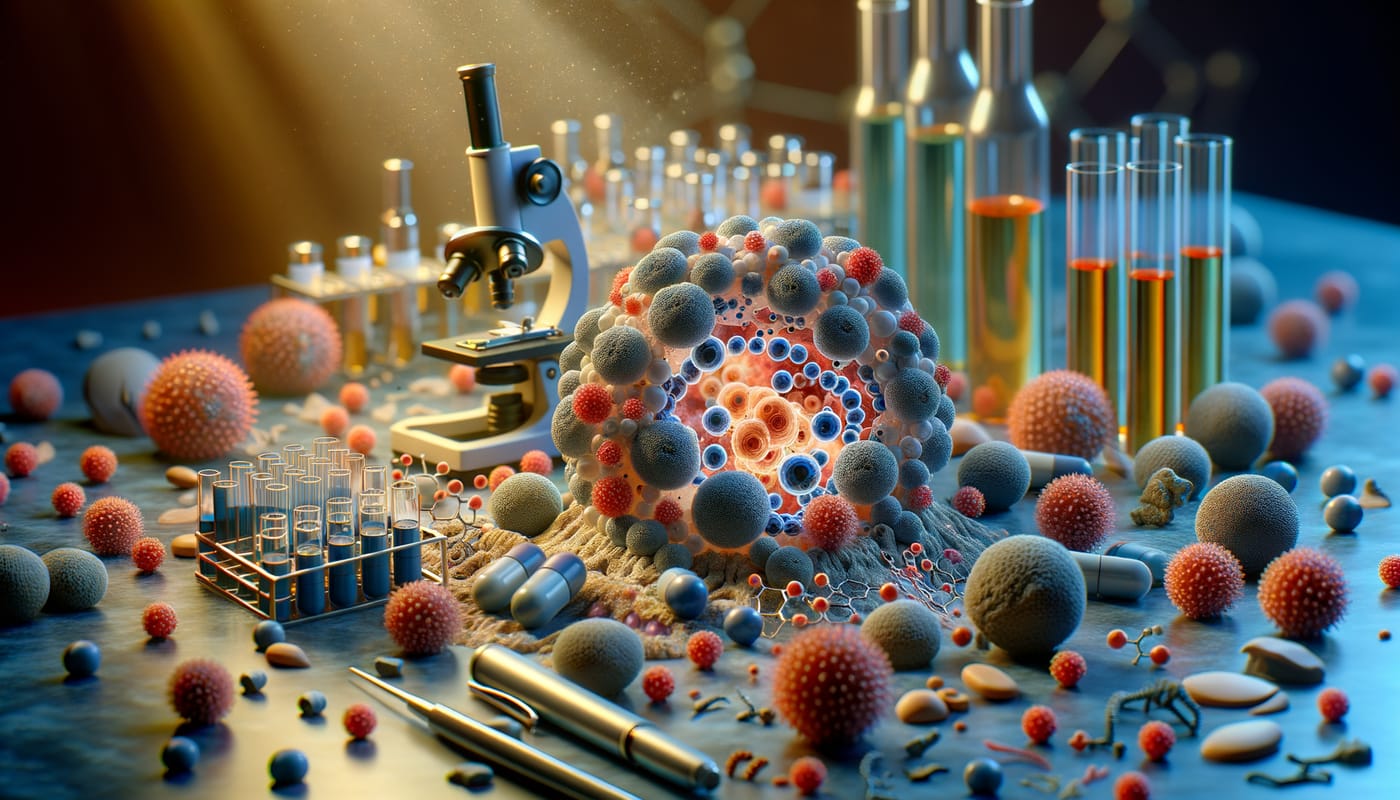
Cellular and Genetic Changes: The Microscopic Battleground
Oxidative Stress and Cellular Damage
At the cellular level, addiction significantly increases oxidative stress. This occurs due to the increased production of reactive oxygen species (ROS), highly unstable molecules that can damage cellular components. The body’s antioxidant defenses are often overwhelmed.
This oxidative damage extends to vital cellular structures, including DNA, proteins, and lipids. Such damage can impair cell function, accelerate aging, and even lead to cell death. It forms a fundamental mechanism of cellular decline.
Mitochondrial Dysfunction
Mitochondria are the powerhouses of the cell, responsible for producing cellular energy in the form of ATP. Chronic substance use often leads to mitochondrial dysfunction, impairing this crucial energy production process. Cells struggle to generate enough energy to perform their tasks.
This impairment contributes significantly to the pervasive fatigue often experienced in addiction. It also plays a role in the decline of organ system function, as cells across the body cannot sustain their energy demands. The subtle addiction damage impacts the very core of cellular life.
Epigenetic Modifications
Perhaps one of the most profound and subtle long-term addiction effects are epigenetic modifications. These are changes in gene expression that occur without altering the underlying DNA sequence itself. They can turn genes on or off, influencing how cells read and interpret genetic instructions.
These epigenetic changes have significant implications for long-term health and disease risk. They can influence vulnerability to relapse, impact stress responses, and contribute to the development of chronic conditions even after sobriety. This chronic addiction health challenge highlights addiction’s deep cellular footprint.
The Interconnected Web: A Holistic Perspective
Cumulative Effects and Synergistic Harm
The subtle impacts of addiction do not occur in isolation; they form an interconnected web. The damage across multiple systems interacts and amplifies over time, leading to synergistic harm. For example, HPA axis dysregulation exacerbates metabolic disruptions, which in turn compromise cardiovascular health. This complex interplay underscores the pervasive physiological effects of addiction.
The Silent Progression
These myriad impacts are often overlooked precisely because they develop so gradually. Many of these physiological changes do not present with acute, alarming symptoms until they have reached advanced stages. The body adapts, compensates, and quietly deteriorates, masking the underlying damage until it becomes critical.
Conclusion: Recognizing the Invisible Erosion
Addiction’s physiological impact extends far beyond the commonly perceived consequences, involving a complex and pervasive internal erosion. It is a slow, systemic assault on the body, affecting everything from cellular metabolism to the intricate balance of hormones and neurotransmitters. Understanding this invisible erosion is vital for true healing.
A deeper awareness of these subtle, cumulative effects is essential for a more comprehensive approach to health and Addiction Recovery. True recovery involves addressing not only the behavioral aspects but also the profound physiological restructuring that has occurred. This holistic understanding allows for more effective interventions and long-term well-being.
Addiction necessitates a profound re-evaluation of overall health, offering a distinct vantage point on the interplay between mind, body, and chronic conditions. By recognizing these intricate connections and adopting strategies for Proactive Health Management, we can better address the addiction health impacts and the subtle addiction damage that often goes unacknowledged, paving a more informed path forward.
Frequently Asked Questions
What are some of the less obvious physiological impacts of addiction?
Addiction impacts the body in various subtle ways beyond obvious damage. It often begins by dysregulating the HPA axis, leading to chronic stress and elevated cortisol. This impacts immune function and creates a state of systemic inflammation, silently damaging tissues.
How does addiction affect metabolism, particularly concerning blood sugar and fats?
Addiction can significantly alter glucose metabolism, leading to insulin resistance and impaired glucose tolerance. This places strain on the pancreas and increases the risk for metabolic syndrome components, including those directly relevant to the development of type 2 diabetes. Lipid metabolism also suffers, affecting cholesterol and triglyceride levels and contributing to liver fat accumulation.
What role does the endocrine system play in the long-term physiological effects of addiction?
The endocrine system, which regulates hormones, is profoundly disrupted. This can lead to imbalances in thyroid, adrenal, and gonadal hormones, impacting energy levels, bone density, and reproductive health. These hormonal shifts contribute to a wide range of secondary health issues.
What cellular and genetic changes occur in the body due to chronic addiction?
At a microscopic level, addiction increases oxidative stress, causing damage to DNA, proteins, and lipids within cells. It also leads to mitochondrial dysfunction, impairing cellular energy production. Additionally, epigenetic modifications can occur, altering gene expression without changing the DNA sequence, impacting long-term health and disease risk.
Why are these subtle physiological impacts of addiction often overlooked or misdiagnosed?
These subtle physiological impacts are often overlooked because they develop gradually over time, often without immediate, acute symptoms. The body’s remarkable ability to compensate can mask these internal deteriorations until they become significant or critical. A deeper awareness is needed to recognize this silent progression.