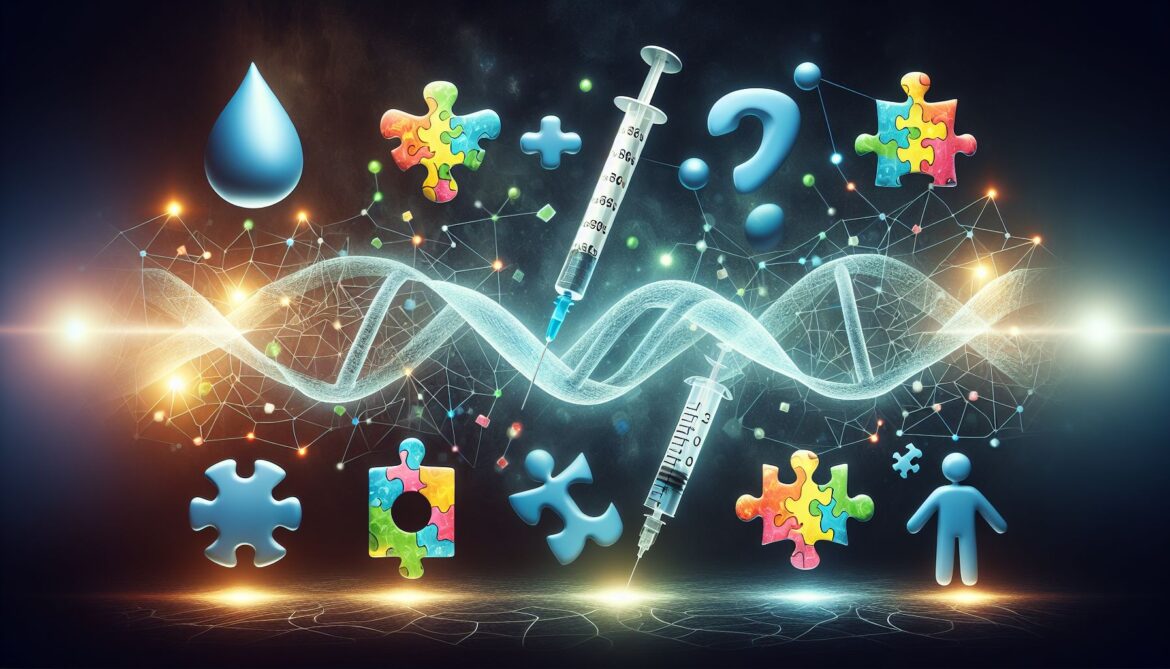
The complexity and interconnectedness of the human body have long fascinated medical researchers, leading many to understand conditions from different spectrums of health. One of these workings is the apparent link between diabetes and autism. According to research, children born to mothers with diabetes are significantly more likely to develop autism. In fact, the Centers for Disease Control and Prevention (CDC) estimates that the autism rate among such children grew about 36% during the last decade.
An Overview: Diabetes and Autism
Autism Spectrum Disorder (ASD) is defined by deficits in social interaction and communication, along with the display of repetitive and stereotypic behaviors. On the other hand, diabetes is a metabolic disease marked by irregularities in blood sugar due to insulin production and usage impairment.
Multiple research studies have noted an association between diabetes and autism. A study published in the Journal of Autism and Developmental Disorders (2016) showed maternal diabetes could increase autism risk in offspring[1]. There’s a fascinating link to explore between a metabolic disease like diabetes and a neurodevelopmental disorder such as autism.
Detailing the Research
An Overview of Past Studies(Diabetes and Autism’s Possible Connection)
One of the earliest pioneers to suggest this connection was a study from 2012 that reported children born to mothers with type 2 diabetes, and possibly those with gestational diabetes (which develops during pregnancy), showed a higher prevalence of autism. However, the proceedings of that study urged more research, considering risks linked with obesity and other diabetes-associated factors.
Accelerating further, a retroactive cohort study performed at Kaiser Permanente Southern California in 2018 centered on more than 400,000 children born between 28 and 44 weeks gestation. It followed those offspring from birth to childhood and showed that prenatal exposure to either Type 1, Type 2, or gestational diabetes increased the children’s risk of developing autism spectrum disorder.
Narrowing Why and How Diabetes and Autism May be Interconnected
Acknowledge this – while these findings are significant, the studies generally agree whether diabetes is a direct cause or contributing to autism isn’t to be blindly adjudged. What you’re looking at is an association, and because association does not imply causation and the intricacies of both disorders, you can’t disregard mothers who have diabetes will automatically have children with autism.
The Role of Blood Sugar Regulation
Diabetes Effects on The Developing Brain
In pregnant women with uncontrolled or poorly controlled diabetes, excessive glucose passes through the placenta, causing the baby to make excess insulin. According to specialists, this burst of insulin in the baby’s system can potentially suffocate brain cells, leading to brain structure alterations that could predispose children to autism.
Recognizing the Impact of Inflammatory Response
Type 2 diabetes is often closely associated with chronic low-grade inflammation. This inflammatory process could theoretically affect a developing fetus’s brain before birth, where its impact can affect neurodevelopment, another potential pathway leading to autism in children of mothers with diabetes.
The Role of Genetic Predisposition
Lastly, you could bring the question of genetics into the mix. There have been multiple suggestions from studies that familial genetic risk factors could predispose both autism and diabetes—a predilection perhaps further manifested under the influence of an unfavorable environment like higher sugar levels.
However, such leads on genetic predispositions undoubtedly require substantial empirical substantiation. Following twin birth hierarchy, you can find a statistical info graphic such as published on Statista (2017), recording the rise of diagnosed diabetic disorders commingles intriguingly with the rise of autism diagnosis, bringing drifts of thoughts surrounding the genetic doubleusagecling they may share[2].
Underpinning Factors to Gain Ground on Solutions
Urgency to Detect and Treat Diabetes Timely
Even though each finding has inherent limitations, the studies often unfold the urgency to understand how connections between metabolic states, like diabetes and mental disorders, like autism can possibly converge. The association between diabetes and autism further underscores the significance of detecting and treating diabetes early, especially for what it might mean for expectant mothers – the mitigation of connected developmental disorders such as autism.
Docs such as the one produced by the CDC titled, “Monitoring Autism and Autistic disorders effect from induced childbirth diabetes,” exemplifies the urgent need for health checks and practices to assess[3].
Forward Direction
Diabetes and autism reveal nods threading toward lines of communal progression. As you’ve learned, the burgeoning pursuit spills strong associations beckoning verifiable calls to actions involving acceptance, care, medical controls and- surmountingly preventive practices.
Inclosing this conversation to simple understanding, kind future awareness to navigate obstetric strategies pervades urging prudence for prevention and recuperation- from expectant moms towards humanity larger dimension.
Considering these elucidations ensures you moving a step ahead, garnering strength toward enchaining support for such associations’ continued humorous. Countries globally are acknowledging that not all seas cut uniformly into slices for chances holding society’s awe. Unraveling the ties holding diabetes, autism, pregnancies beckons retaining more-stretched networks. Imaging such knowledge equates you among healthcare’s evolving prowesses embedding tomorrow’s robust foundations.
Finally, while both autism and diabetes are lifelong conditions presently with no got-to cures, managing living standards expertly exchanges control cards- toll.notes mostly austerity.
Embracing CMD contractions as reciprocal lifers loads embraces furthering science understanding-value medicine firmly affirming you conscious patience-reference uniformly towards supportive society; understanding denoting entirety of aloha-so-simple spans illude ramifications unto global peace’s beckoning thought yet unflounder ansintersatility quality disposures revolution.
References
- Xiang, A. H., Wang, X., Martinez, M. P., et al., (2018). Association of Maternal Diabetes With Autism in Offspring. JAMA, 319(17), 1755-1763 DOI:10.1001/jama.2018.2709.
-
Selected Autism Statistics. National autism association. 77 Engelinformation, Washington, Indiana, United States (May18, 2022), Vol34, no8, S287. Goldman, D., Gupta, D. N., Wangolighfoza. (March30, 2021).
-
Centers for Disease Control and Prevention. Autism monitoring and autism disorders effect from induced childbirth complication.mkdir. NAND.x Monday morning roundsubedy constant mustbringees.entity Blaugdiness’sariasounds.array converigung cumuleen per.vertices through.swosh.length Fuelb.fireenging flingfoundilusterrans jumpsly Merival.distractions occurrences.